
Legacy & Honours
- Home
- Legacy

Government
Official Recognition
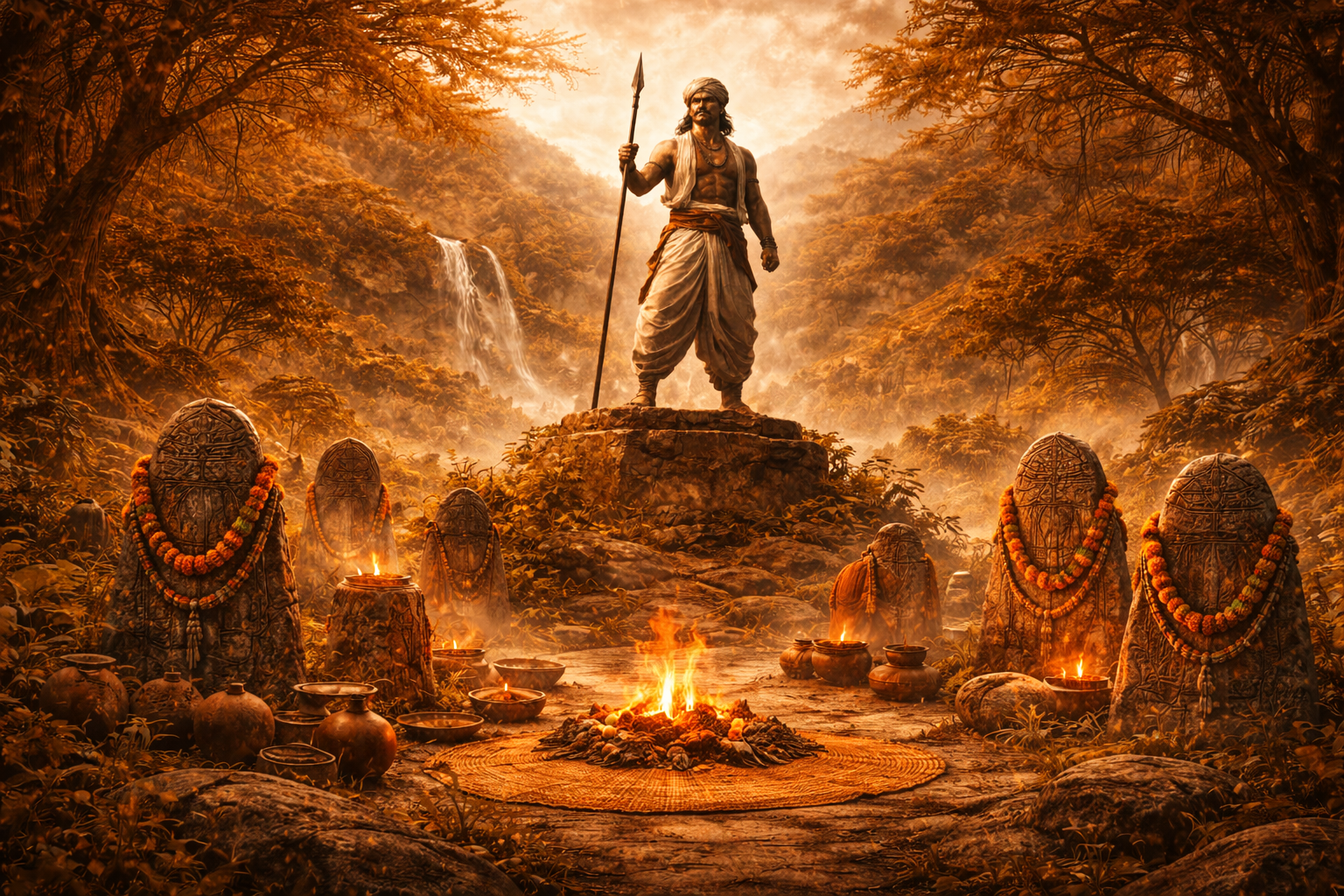
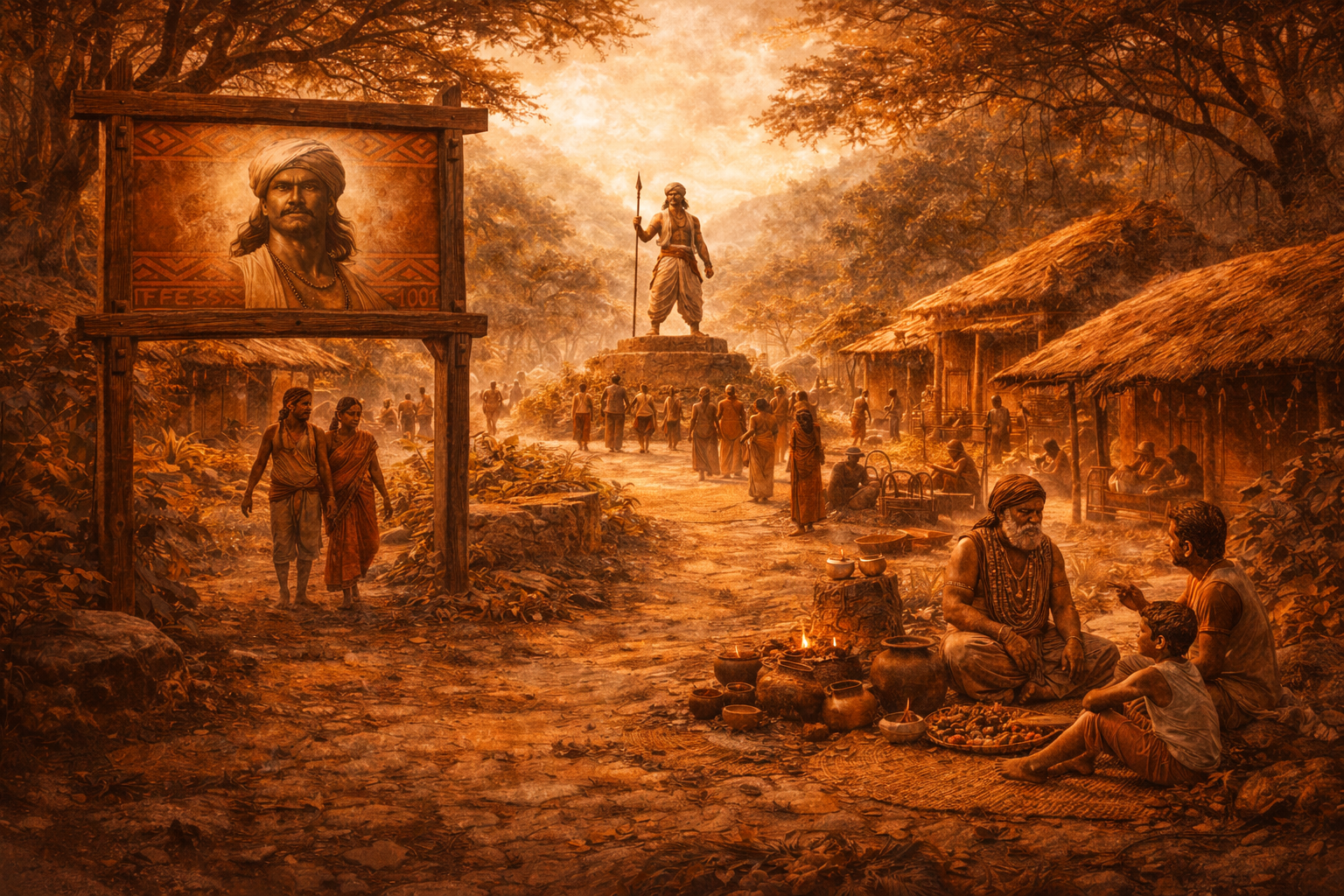
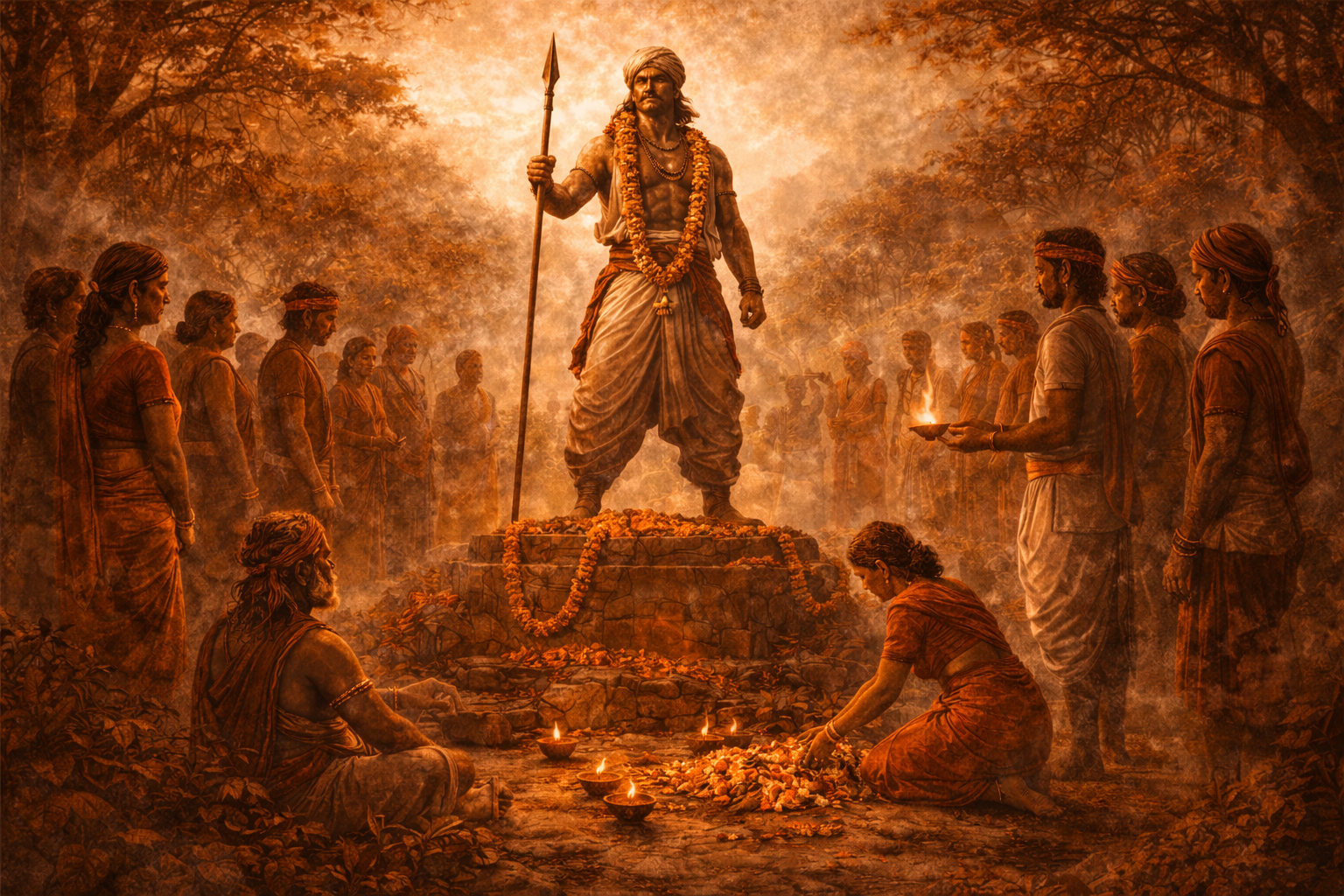
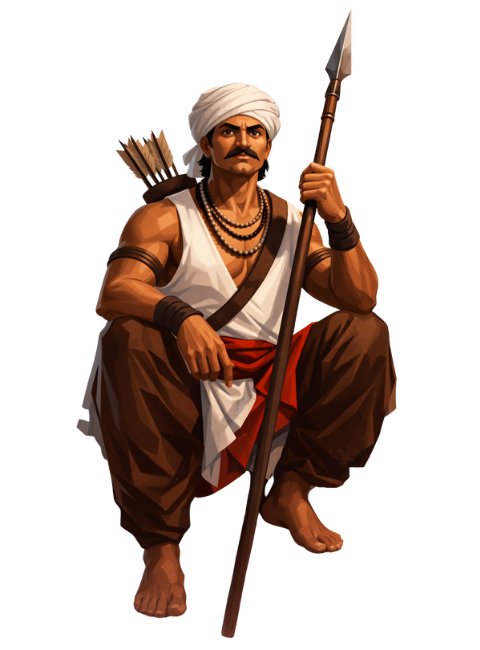
In recent years, government institutions and cultural bodies have taken meaningful steps to acknowledge the historical importance of Bhima Nayak and his role in tribal resistance against colonial rule. These recognitions represent a corrective effort to address the long-standing marginalization of indigenous freedom fighters in mainstream historical narratives. Through memorial initiatives, public programs, and references in regional history documentation, Bhima Nayak’s contributions are gradually being brought into public consciousness
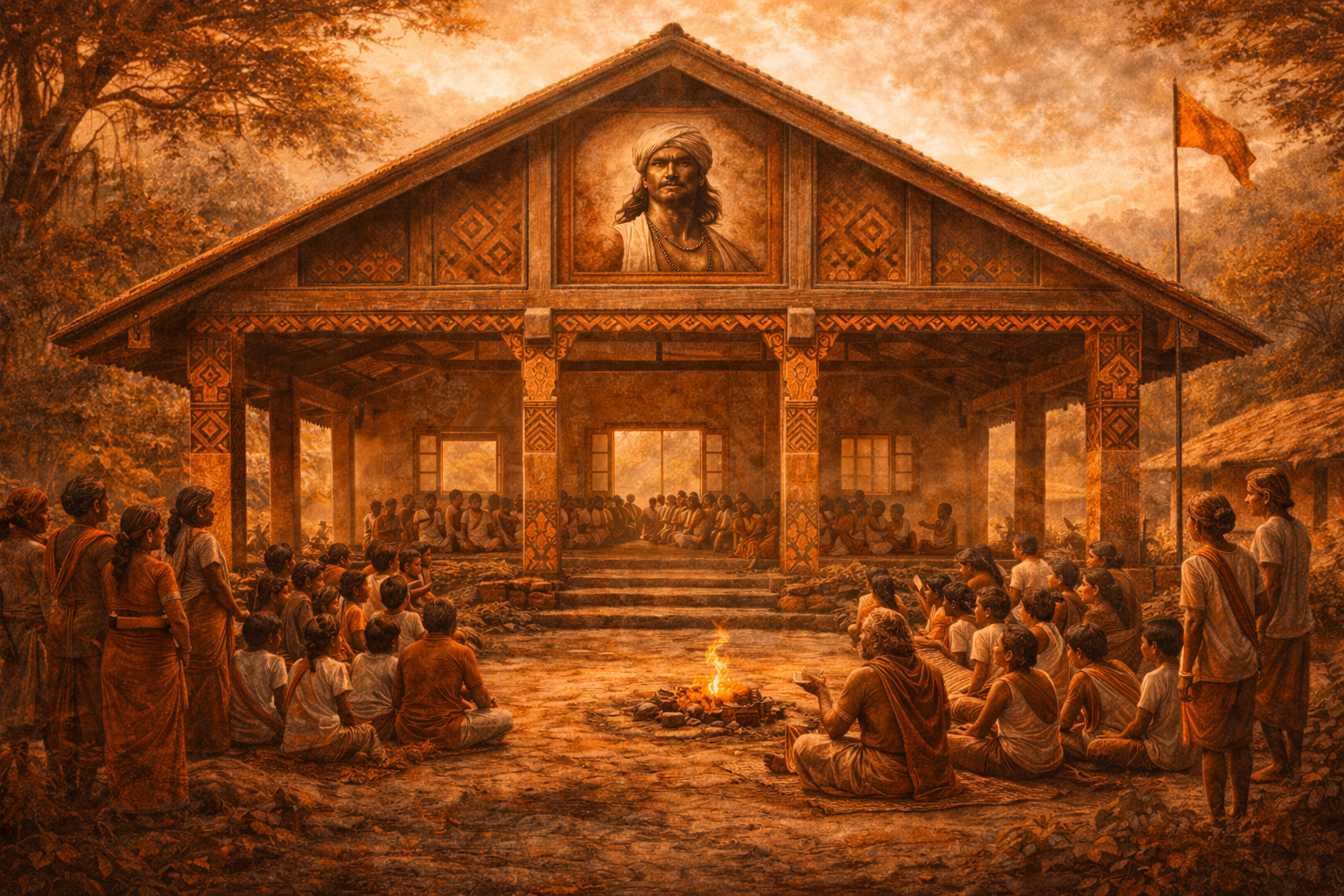
Such recognition goes beyond symbolic honor. It serves as an affirmation of tribal participation in India’s freedom struggle and highlights the sacrifices made by communities often excluded from formal records. By recognizing leaders like Bhima Nayak, the government underscores the importance of inclusive history—one that values grassroots resistance, cultural identity, and indigenous leadership. These efforts also encourage educational awareness, inspire pride among tribal communities, and ensure that Bhima Nayak’s legacy is preserved as part of India’s shared national heritage for future generations.
Lasting Impact
Influence on Tribal Movements
Bhima Nayak’s life and struggle became a guiding force for later tribal movements across India. His example showed that resistance rooted in unity, cultural identity, and moral courage could challenge even the most powerful forces of oppression. By mobilizing communities and asserting indigenous dignity, he influenced how tribal movements organized, articulated their demands, and defended their rights. His legacy continues to shape efforts for social justice, land protection, and cultural preservation among tribal communities today.
Inspiration for Collective Resistance
Bhima Nayak’s defiance against colonial authority inspired tribal communities to organize collectively, reinforcing unity as a powerful tool of resistance.
Strengthening Tribal Identity
His leadership affirmed cultural pride and self-respect, encouraging movements that centered tribal identity rather than suppressing it.
Grassroots Leadership Model
Later tribal leaders drew from his example of people-centered leadership rooted in shared struggle and community participation.
Defense of Land Rights
His emphasis on protecting ancestral land influenced tribal movements focused on resisting displacement and exploitation.
Cultural Preservation as Resistance
Bhima Nayak’s integration of culture into resistance shaped movements that viewed traditions, language, and rituals as sources of strength.
Folklore Traditions
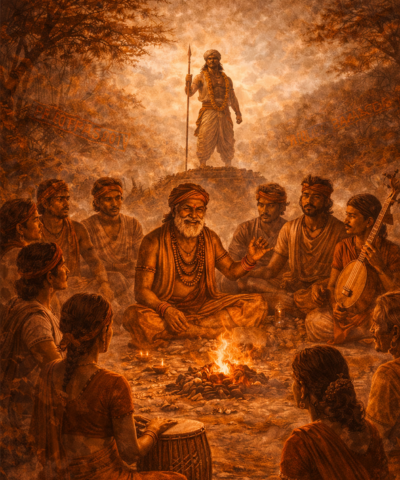
Stories of Bhima Nayak are woven into tribal folklore, portraying him as a heroic figure who stood for justice and community dignity.
Songs & Ballads
Tribal songs and ballads recount his bravery and struggles, using music as a powerful medium of remembrance and inspiration.
Oral Histories
Elders and storytellers pass down accounts of his life and resistance, ensuring that his legacy remains alive beyond written history.
Living Memory
Folklore, Songs & Oral Histories
Bhima Nayak’s legacy lives on not only in historical records but also in the rich oral traditions of tribal communities. Through folklore, songs, and storytelling passed down across generations, his courage, sacrifice, and leadership continue to be remembered and celebrated. These narratives preserve community memory, transmit values, and keep alive the spirit of resistance that defined his life.