
Freedom Struggle
- Home
- Biography
Armed Resistance
Role in the Indian Rebellion of 1857
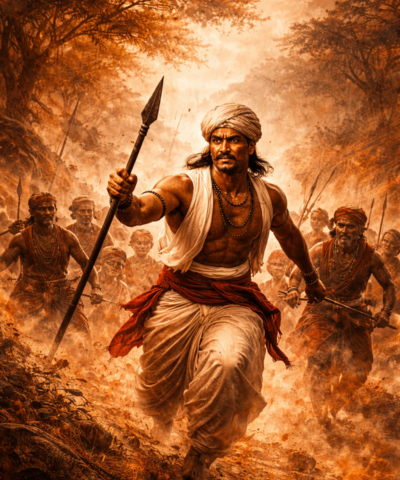
During the Indian Rebellion of 1857, Bhima Nayak played a crucial role in mobilizing tribal resistance against British colonial rule. Aligning local struggles with the wider uprising, he organized Bhil communities to challenge oppressive policies and assert indigenous autonomy. His participation reflected the deep-rooted anger among tribal populations toward exploitation, forced labor, and loss of ancestral lands. Though operating away from the main centers of revolt, his actions strengthened the rebellion’s grassroots dimension and highlighted the vital role of tribal leaders in India’s freedom struggle.
Mobilization of Bhil Forces
Bhima Nayak united Bhil warriors to support the broader rebellion, transforming local resistance into organized action against British authority.
Guerrilla Resistance
He employed terrain-based strategies, using forests and hills to disrupt colonial control and protect tribal communities from reprisals.
Symbol of Tribal Participation
His involvement demonstrated that the 1857 uprising extended beyond urban centers, with tribal regions playing a significant role in the fight for freedom.
Strategic Resistance
Battles & Leadership

Battles & Confrontations
Bhima Nayak actively engaged in armed confrontations against British forces, using courage and local knowledge to challenge colonial dominance in tribal regions.

Resistance Strategies
He employed guerrilla tactics, leveraging forests, hills, and mobility to disrupt colonial operations and protect tribal communities.

Leadership Role
Beyond warfare, Bhima Nayak inspired unity, discipline, and moral strength, guiding his people with courage, vision, and responsibility.
United Resistance
United Resistance
Bhima Nayak’s alliance with Tantia Bhil and other tribal warriors marked a decisive moment in the history of indigenous resistance against British colonial rule. This partnership was not merely tactical but deeply ideological, rooted in a shared commitment to protect tribal autonomy, land rights, and cultural dignity. Both leaders emerged from similar social realities, shaped by exploitation, forced labor, and systematic marginalization of tribal communities. Their alliance strengthened coordination among Bhil groups across regions, enabling more organized resistance and mutual support. By pooling leadership, knowledge of terrain, and warrior networks, they transformed scattered local uprisings into a broader movement of defiance. This unity demonstrated that tribal resistance was not isolated or spontaneous, but deliberate, strategic, and interconnected across communities facing common oppression.
The collaboration between Bhima Nayak, Tantia Bhil, and tribal warriors showcased a powerful model of collective leadership grounded in trust, cultural solidarity, and shared sacrifice. Together, they mobilized fighters, protected villages, and challenged British authority using guerrilla strategies adapted to forests and hills. Their leadership inspired confidence among tribal populations, reinforcing the belief that unity could confront imperial power. Even in the face of military superiority and repression, this alliance sustained morale and resistance across regions. Historically, their partnership stands as evidence of coordinated tribal participation in India’s freedom struggle, countering narratives that overlook indigenous leadership. The legacy of this alliance continues to symbolize unity, courage, and the strength of collective action rooted in cultural identity and resistance.
Colonial Conflict
Conflicts with British authorities
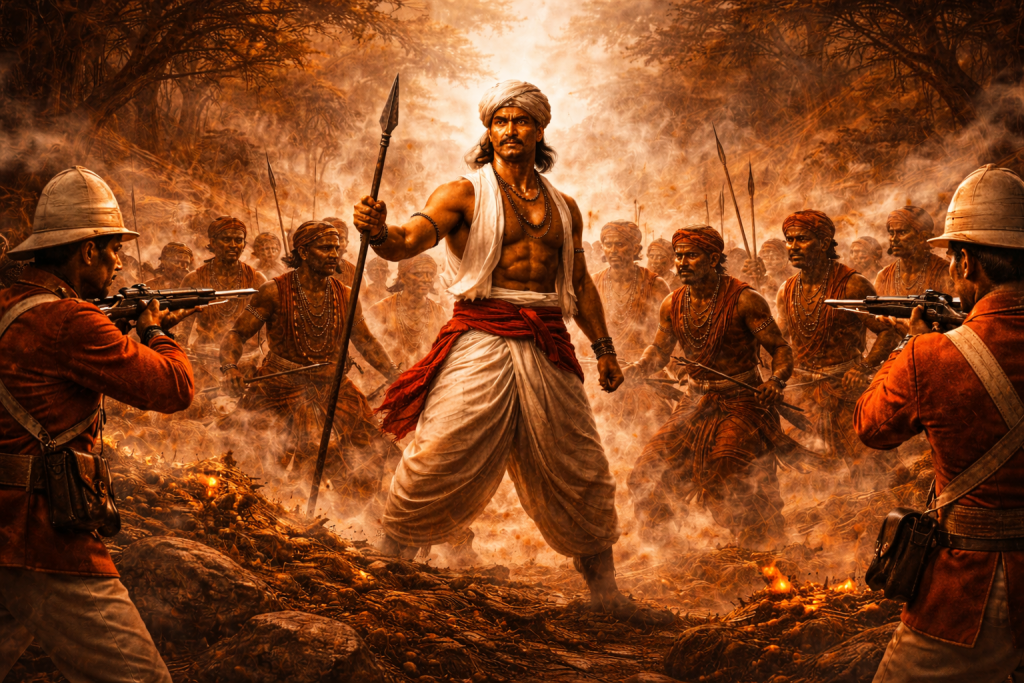
Bhima Nayak’s conflicts with British authorities emerged as a direct response to colonial exploitation, land dispossession, and the systematic suppression of tribal autonomy. His resistance challenged unjust revenue systems, forced labor, and the erosion of indigenous rights imposed by colonial administration. Viewed by the British as a threat to control in tribal regions, Bhima Nayak became a target of military campaigns and surveillance. These confrontations were not isolated acts of violence but expressions of organized defiance rooted in community protection and moral resistance. Through courage and strategic action, he exposed the deep fractures between colonial authority and tribal society, making his struggle a powerful chapter in India’s broader freedom movement.
Opposition to Colonial Policies:
Actively resisted unfair taxation, land seizures, and forced labor imposed on tribal communities.
Military Confrontations:
Engaged in armed resistance and guerrilla encounters with British forces in forested and hilly regions.
British Suppression Efforts:
Faced targeted crackdowns, arrests, and punitive expeditions aimed at dismantling tribal resistance leadership.
Symbol of Defiance:
Regarded by colonial authorities as a major insurgent, reinforcing his role as a symbol of indigenous resistance.